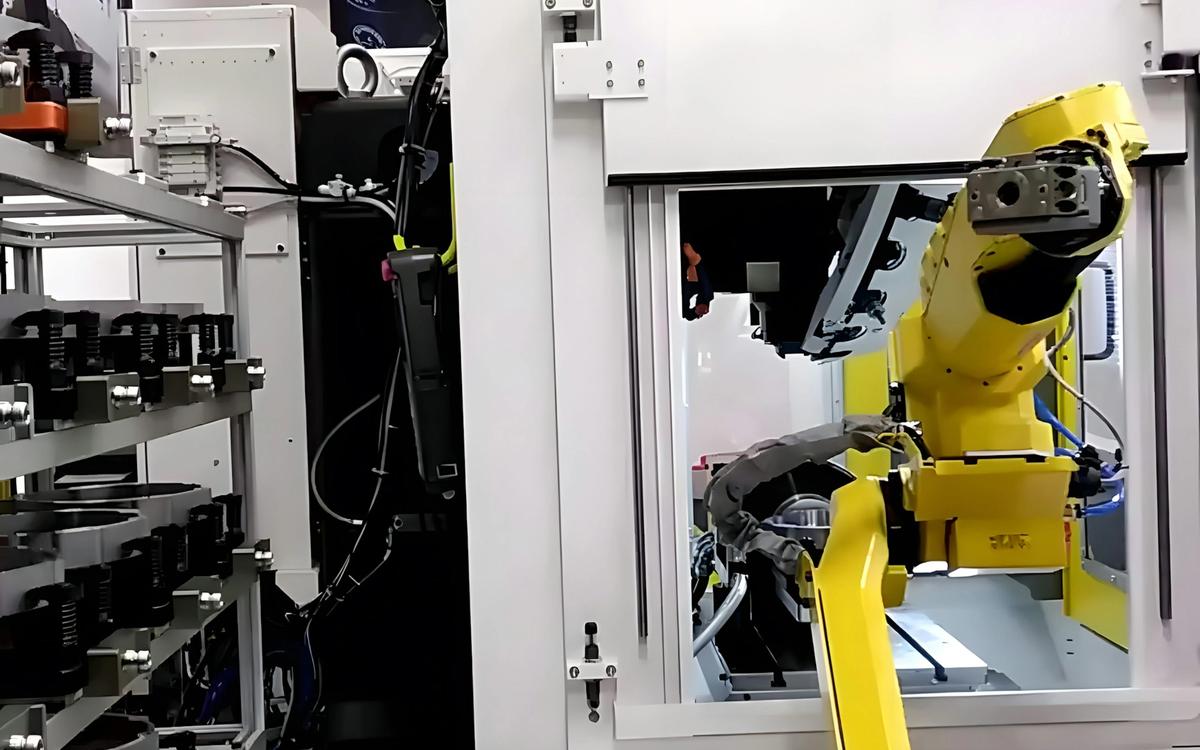
In machining automation, a finished NC program is only one part of an unattended shift. A person may still have to prepare the next workpiece, clean the fixture, remove completed parts, take measurements and deal with an exception.
Mitsubishi Electric's October 21, 2026 research announcement proposes a way to assign some of those surrounding tasks to a humanoid robot while coordinating them with a CNC machine tool.
The system has three separate elements: an AI machining task planner, a CNC machine equipped with a physical-AI interface, and a general-purpose humanoid robot. An operator issues a basic instruction in natural language.
The planner determines a sequence of manufacturing-related tasks, then directs the CNC and humanoid according to their respective responsibilities. Mitsubishi Electric says it developed physical-AI capabilities for both the planner and CNC using its Maisart technology.
An orchestration project as much as a robotics one
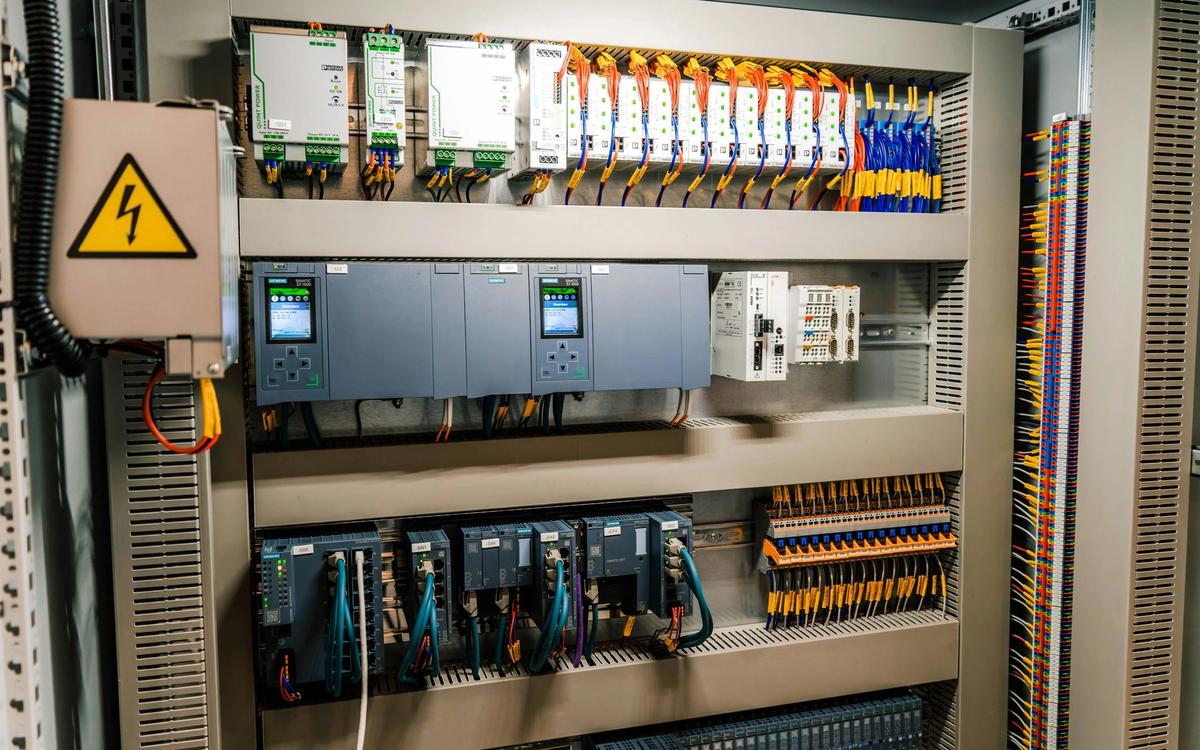
Conventional machine-tending cells generally depend on engineered interfaces and specified handshakes between a machine, robot, safety equipment and peripheral devices. Mitsubishi Electric argues that configuring separate robot-to-CNC communication functions and sequences for each installation is a barrier, especially where the tasks involve human-like manipulation in an existing shop.
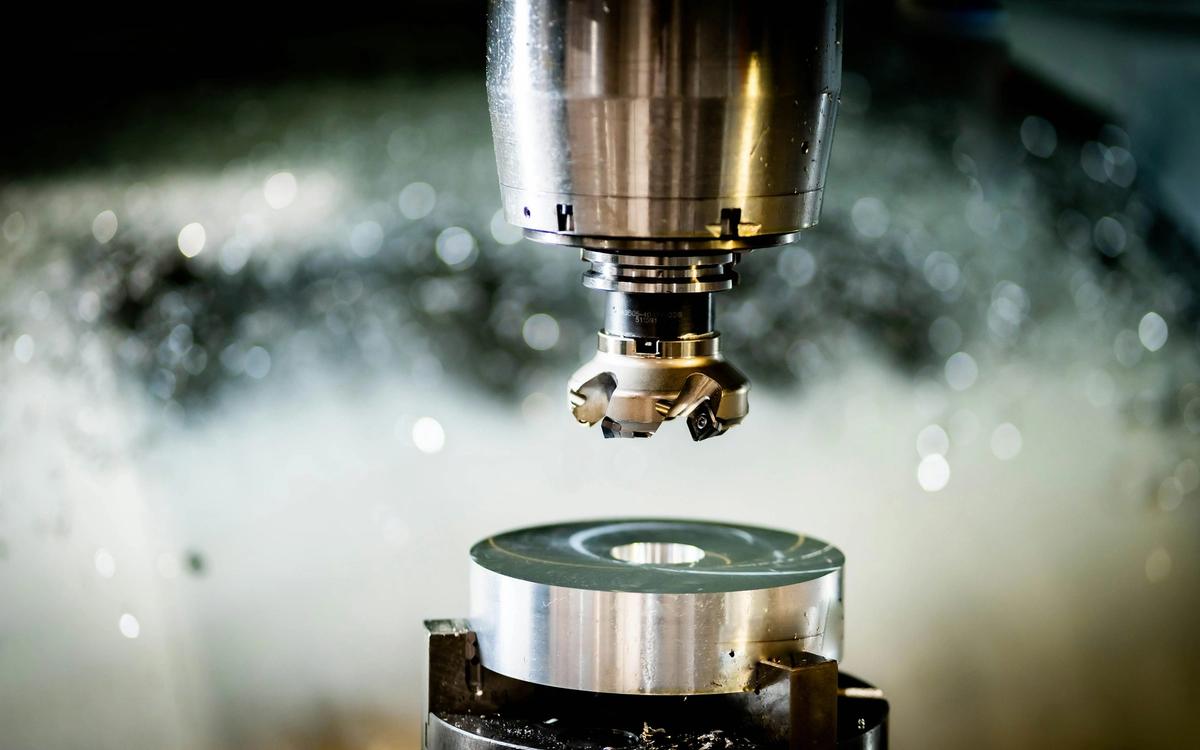
The planner is intended to distribute work rather than let the robot independently choose machining conditions. A CNC still controls the tool path, machine axes and cutting operations. The humanoid handles specified physical tasks and exchanges operating information with the machine.
Whether those interactions are dependable depends on the details of the machine interface, fixture layout, robot reach, recognition and recovery rules; the initial announcement does not publish a complete integration protocol.
The company's October 21 release identifies setup, cleaning, finished-part removal, transport, inspection and troubleshooting as tasks the humanoid-based system aims to undertake. Those are materially different activities.
Part retrieval and handling require the robot to recognize and securely grasp an object; inspection requires an appropriate measurement process; troubleshooting requires identifying the condition that stopped the cycle before machinery can safely resume. A shared natural-language interface does not remove those underlying engineering requirements.
An exhibition demonstration is not an endurance test
Mitsubishi Electric announced a demonstration for JIMTOF 2026, held October 26–31 at Tokyo Big Sight. The announcement establishes the development and intention to exhibit; it does not provide audited plant-level running hours, the number of part types completed without intervention, a safety validation report or comparative staffing costs. There is no basis in the document for quoting a universal productivity improvement or payback period.
The manufacturer calls the system an industry first, expressly qualifying that claim as its own research as of October 21 for a numerical-control system based on humanoid collaboration. It is not an independently adjudicated priority claim, nor a demonstration that every conventional machine-tending installation can be replaced by a humanoid without retrofitting.
The benefit sits in awkward, changing jobs, which are also the hardest to verify
The potential manufacturing benefit lies in jobs that are hard to justify automating with dedicated fixturing and robot paths: frequently changing parts, awkward handling sequences or tasks distributed among several pieces of equipment. But those are also the jobs in which unstructured variation makes robot reliability and verification difficult.
A shop evaluating the concept would need evidence for its particular workpiece range, part presentation, cleanout requirements and guarding strategy, not just a successful language-model interaction.
Human-machine communication also raises questions about responsibility. For a production cell, an instruction has to become a deterministic, auditable operation with defined preconditions and a safe response to missing parts, robot errors, failed measurements or interrupted machining. The release does not identify a safety-standard certification, commercial delivery specification or final supported CNC/robot combination.
None should be assumed from the term physical AI. Mitsubishi Electric's contribution is a system architecture for sharing manufacturing instructions and state between a humanoid and CNC equipment, not proof of a commercially unattended factory. Its real significance will be established when representative part families, interruption cases and multi-shift operating data become available.