Walmart has committed approximately $6 billion in additional spending under an expanded agreement with warehouse-automation supplier Symbotic. The companies announced the multiyear arrangement on October 29, 2026, covering further automation capabilities at 25 US regional distribution centers.
The joint company announcement says the work is intended to improve inventory positioning for e-commerce, expand storage capacity and change how products move through Walmart's distribution network. Symbotic already works with Walmart, and the new agreement extends that relationship.
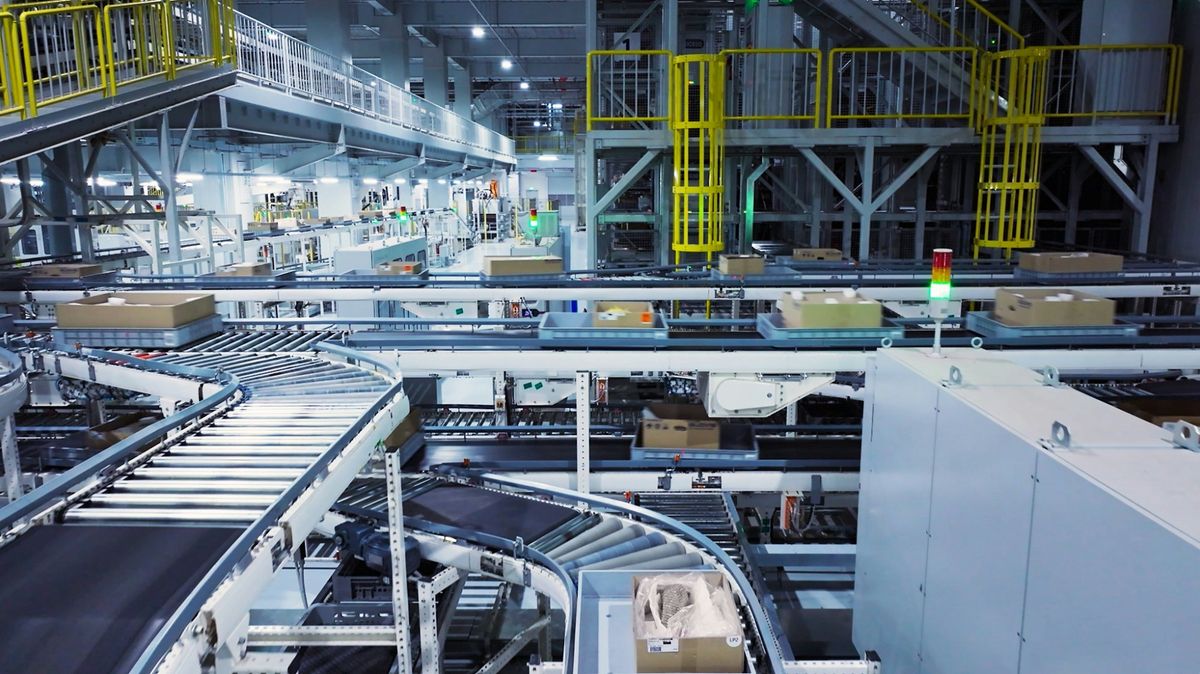
For machine builders and automation integrators, the significant point is the contracted scale of a program that includes software, mechanical handling and ongoing support. A warehouse automation system combines conveyors, storage structures, robotic handling, sensors and control logic, and its value depends on how they work together, not on an isolated robot.
The $6 billion commitment is not recognized sales
A Form 8-K filed by Symbotic describes an enterprise master automation agreement with Walmart, alongside arrangements for systems and development programs. The filing identifies an initial additional spending commitment of approximately $6 billion over several years and multiple locations, including $125 million to develop next-generation racking and related picking, process-flow and inventory-management capabilities.
The $125 million sits within the $6 billion, so the two should not be added. The agreement covers future system orders and development work, with license, maintenance, system support, spare-parts and other fees charged as applicable.
Symbotic states that the commitment could add up to $6.92 billion to its future backlog. That maximum is a company expectation under contract assumptions, not cash collected, a measured return for Walmart or guaranteed revenue on the announcement date.
The filing also indicates that existing commercial programs remain in effect except where amended, and the new commitment is additional to existing purchase commitments. That matters to investors tracking order books and to suppliers judging how much activity is genuinely incremental.
Where the engineering work lies
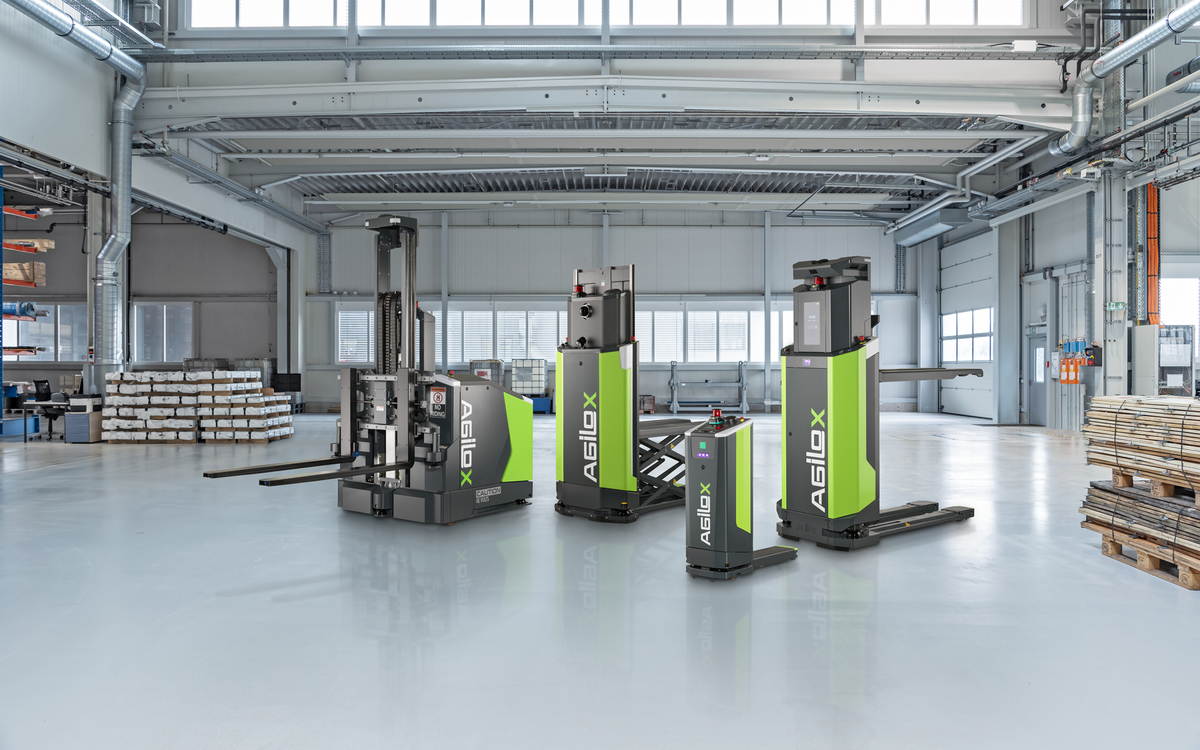
Symbotic's platform uses coordinated robotic material handling and software to direct cases through high-density storage and distribution operations. Its release also discusses the BreakPack each-picking and SymMicro micro-fulfillment products in the wider portfolio, without establishing that every named product will be installed at each of the 25 centers.
Retrofitting distribution centers requires more than machine capacity on paper. A new handling system has to interface with existing conveyors, storage and inventory records, keep traceability through transfers and recover safely from interruptions. The public announcement gives no per-center installation sequence, availability targets, accepted-case throughput or independent acceptance-test results.
The relevance to CNC manufacturing is indirect. Suppliers of drives, fabricated machine structures, tooling for automation equipment and industrial controls may compete in projects of this size. A CNC job shop considering robotic tending faces analogous integration questions about fixtures, part identification, recovery and unattended time, but a warehouse contract's economics are no proof of payback on a machining cell.
The program develops over several years. Until deployment schedules, delivered systems and operating results are reported, the strongest verified conclusion is the scale of Walmart's commitment and the continuing market for integrated robotic logistics, with no realized productivity savings claimed.