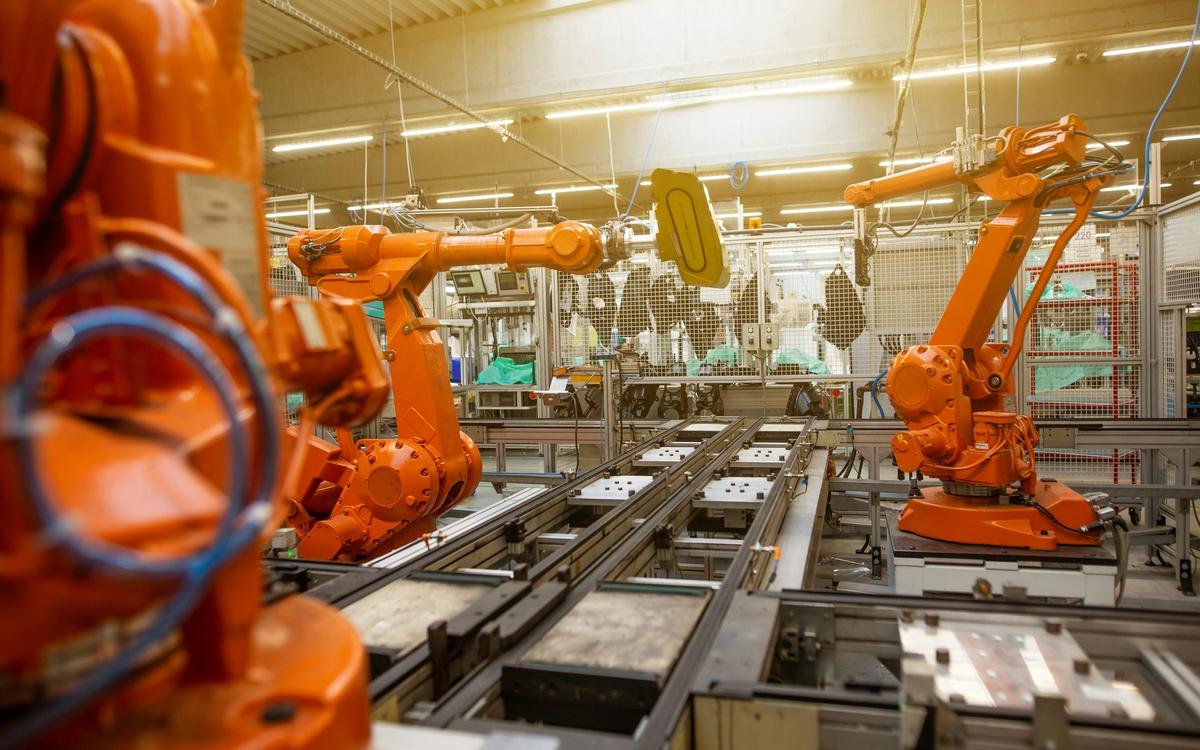
General Motors plans to raise its use of robots and other automation at its North American factories by 20% by 2028, Reuters reported on November 17, citing two people familiar with the matter. Neither the target nor GM's in-house robot production in Indiana had been reported before. GM had not responded to Reuters' request for comment when the story ran.
Reuters ties the push to higher labor and onshoring costs, along with rising commodity prices and efforts to localize supply chains. Automakers argue their labor costs run above those of foreign rivals and newer competitors such as Tesla, whose U.S. plants are largely nonunion. GM has said the 2023 UAW contract adds about $575 in labor cost per vehicle; Ford puts its own figure at $900.
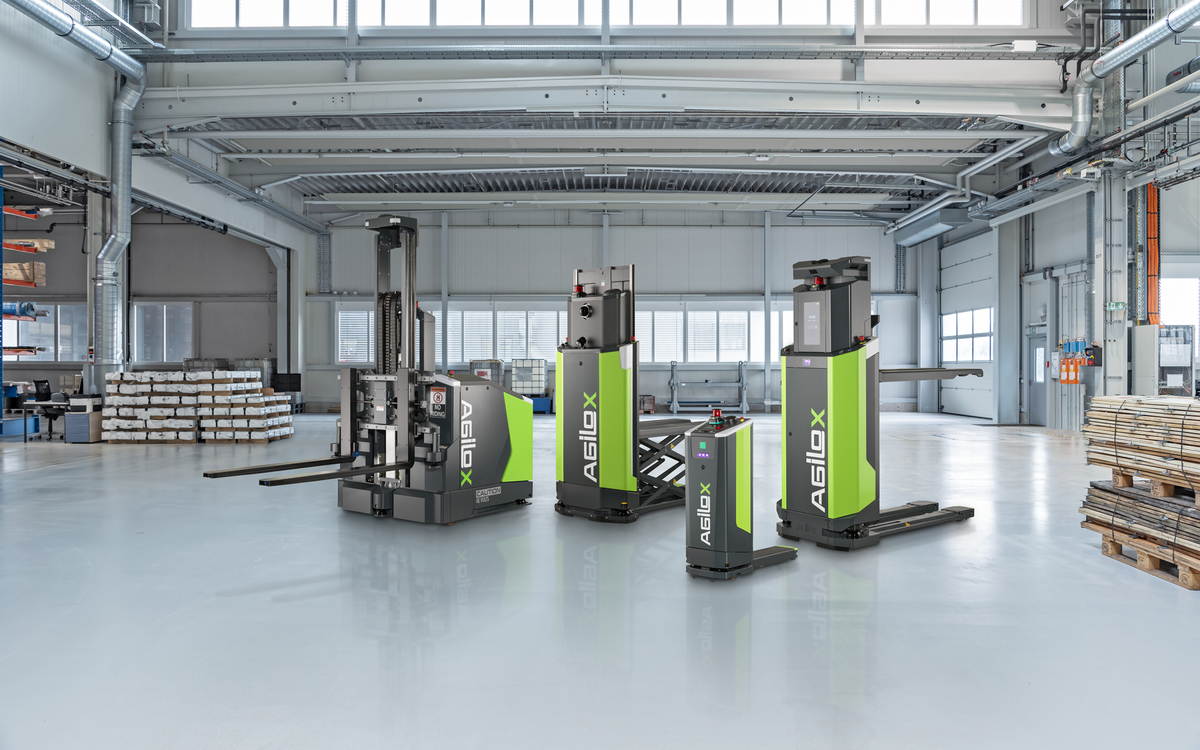
According to the report, GM is developing its own robots and assembling them at its Kokomo, Indiana, plant, with a focus on autonomous mobile robots that move parts around its factories. It continues to buy robotics equipment from outside suppliers while that work proceeds, an approach executives outlined last year. At that point GM said about 100 roboticists, AI engineers and hardware specialists were working on advanced robotics.
The supply base is part of the plan. GM asks suppliers bidding on new contracts to submit automation plans for their own operations, Reuters said, and rates those plans on a scorecard that feeds into contract decisions. For machine shops and component makers working toward GM programs, an automation roadmap would therefore count in the evaluation. Another automaker has also moved robotics up the organization chart: Toyota, which CNC Outlook covered on November 10, will place a new Toyota Robotics unit under its production chief from January 2027.
Labor is the pressure point. The UAW represents about 50,000 GM factory workers, and its contracts with GM, Ford and Stellantis expire in spring 2028, so Reuters expects automation to be a central bargaining issue. UAW Vice President Ryan Hiestand was quoted as saying, "We don't need more robots so GM can do another stock buyback." In an earlier statement, GM said it uses automation to improve safety, quality and efficiency.
The report as republished does not define the metric behind the 20% or its baseline, and the company had not confirmed the target. A statement from GM on whether the figure counts robot units, automated stations or spending would tell automation and machine-tool suppliers where the demand lands.