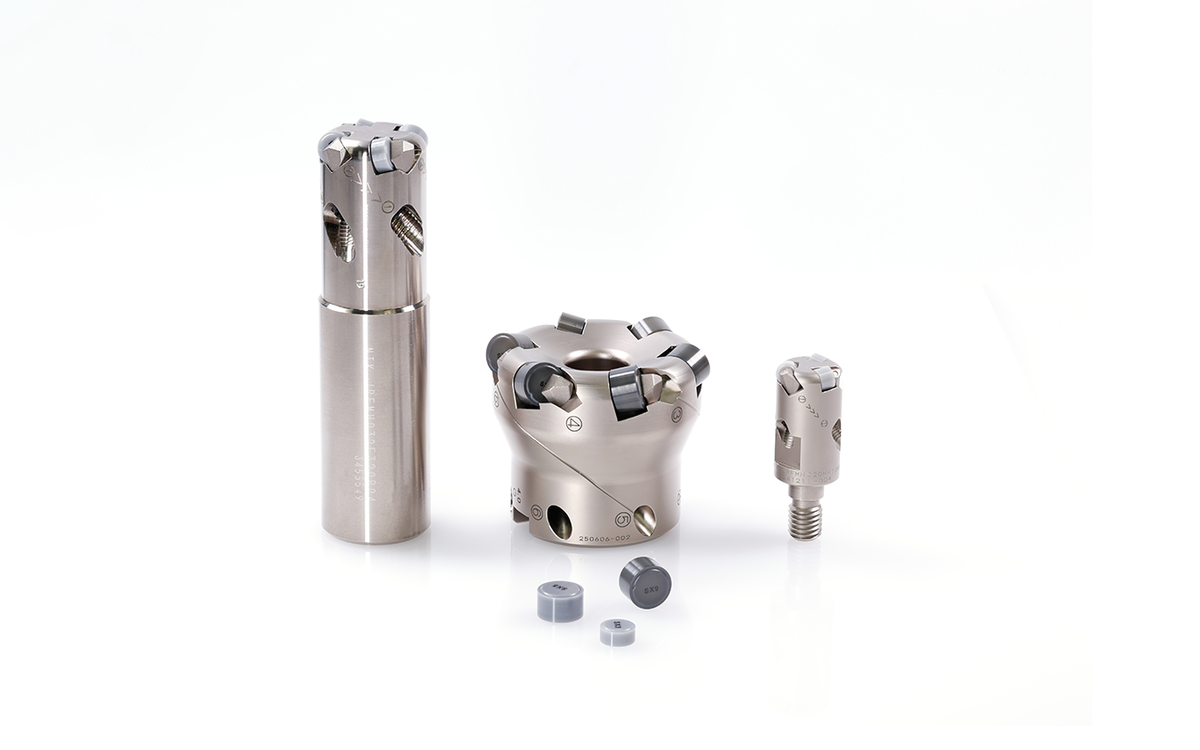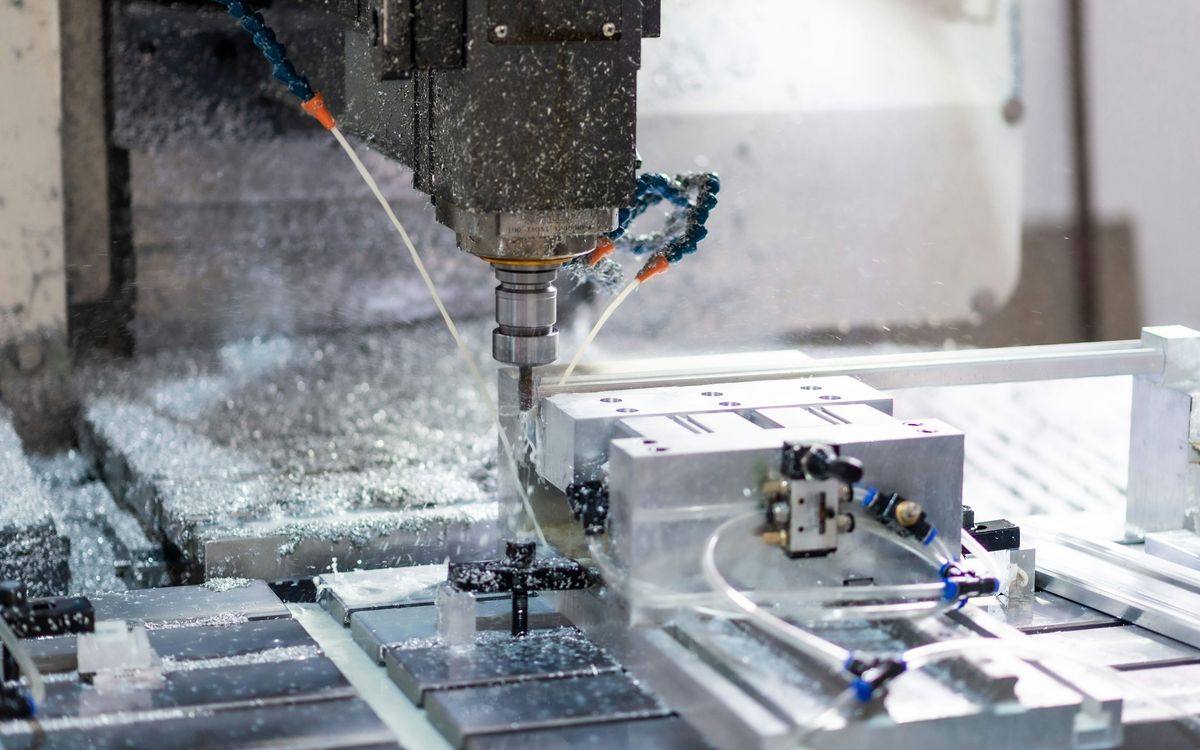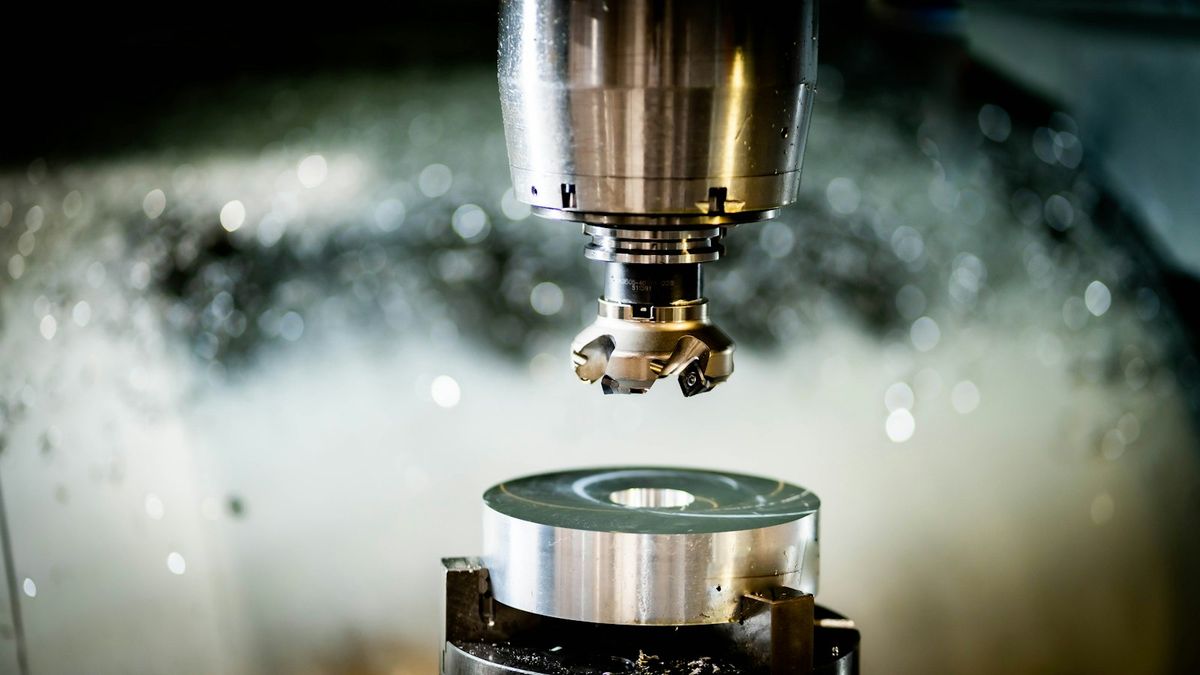
Sandvik's machining business reported 33% organic growth in order intake during the third quarter of 2026, an unusually strong number in an industry where manufacturers often read tooling purchases as a proxy for factory activity. The October 22 interim report also recorded 35% organic revenue growth in Machining.
Those two figures deserve attention, but they are not evidence that machining output or physical cutting-tool consumption rose at the same rate.
The difference matters because Sandvik identifies several drivers of the increase beyond underlying activity: higher selling prices, market-share gains and customers buying ahead of expected cost changes. Aerospace and defense demand remained strong, while management described an improvement in sentiment across general industrial customers. The combination points to genuine demand alongside purchasing behavior that may shift orders between quarters.
Cutting tools grew 19%, well below the 33% machining headline
Cutting tools, a narrower category within Machining, recorded 19% organic order-intake growth. That is substantial, but notably below the 33% figure for the wider machining business. Treating the two percentages as interchangeable would obscure the contribution of Sandvik's other operations, particularly powder supply. The group separates these drivers in its detailed results rather than reporting a single cutting-tool volume measure.
Powder orders more than doubled on tungsten prices, not tonnage
Organic orders and revenues in Sandvik's powder business more than doubled from the same quarter a year earlier. Management explicitly linked much of that increase to far higher tungsten prices, not a doubling of physical powder shipments.
Tungsten is an essential constituent of cemented-carbide cutting tools, so a sharp input-cost change can affect prices throughout the tooling supply chain without a proportionate increase in the number of tools sold.
Sandvik said structural tungsten supply constraints and demand from strategic applications supported the market. It highlighted its own mine, recycling network and powder-production capacity as commercial advantages.
Those assets may reduce some sourcing exposure, but the assertion of competitive advantage is the company's assessment; the financial report does not quantify how much extra carbide tonnage it shipped or establish that every tool user faced an identical cost increase.
Pre-buying can pull orders forward
The company also described customer pre-buying. For a distributor or machine shop, purchases accelerated into one quarter can leave a weaker comparison later, even if actual spindle time is broadly unchanged.
That is why ordering data, list-price movements, tool utilization and consumption are different indicators. A purchase order secures supply; it does not prove the purchased inserts have already been used on a machine.
Software orders rose 12%, a steadier signal
Sandvik's Intelligent Manufacturing business told a less dramatic but still positive story. Its organic order intake increased 12% and revenue 11% in the quarter. Management reported double-digit growth in its software-license business and continued movement toward subscriptions, with particularly strong demand in North America and aerospace and defense.
Software results are not directly comparable with the economics of carbide powder or cutting inserts.
During the period the group added Mastercam India and CAD/CAM Consulting Services, extending its customer-facing software operations. At IMTS in Chicago it presented a manufacturing lifecycle approach spanning design, machining and quality data. This positions software around programming and information handoffs as well as individual CAD/CAM seats, although the release supplies no independent productivity trial or shop-by-shop implementation result.
At group level, Sandvik reported third-quarter orders of SEK 36.948 billion and revenue of SEK 37.728 billion, with a 22.5% adjusted EBITA margin. These are figures for the entire Sandvik group, including its mining and rock-processing operations. They must not be presented as Machining revenue or as a stand-alone measure of cutting-tool profitability.
The headline mixes demand, price effects and buying ahead
The company described an improving general-industry climate and ongoing aerospace and defense investment, which are relevant markets for difficult-material machining, high-performance inserts and tool-management systems. Yet the quarter's headline growth mixes underlying end-user demand with price effects, buying ahead of anticipated increases and a powder market exposed to commodity volatility. None of those elements is insignificant; they simply answer different questions.
Sandvik's full report notes that the underlying indicators improved year on year, while tungsten benchmarks had eased sequentially but remained far above their year-earlier levels. A sequential fall from a high price does not remove its effect on annual comparisons.
For procurement teams it makes the distinction between contracted tool prices and operating cost per finished part particularly important, although the report does not provide the cutting trials needed to calculate the latter.
The October 22 results therefore show a strong quarter for a major tooling and manufacturing-software supplier, not a clean 33% measurement of global machining activity. How much of the procurement surge carries into later quarters will be more informative than the headline alone.