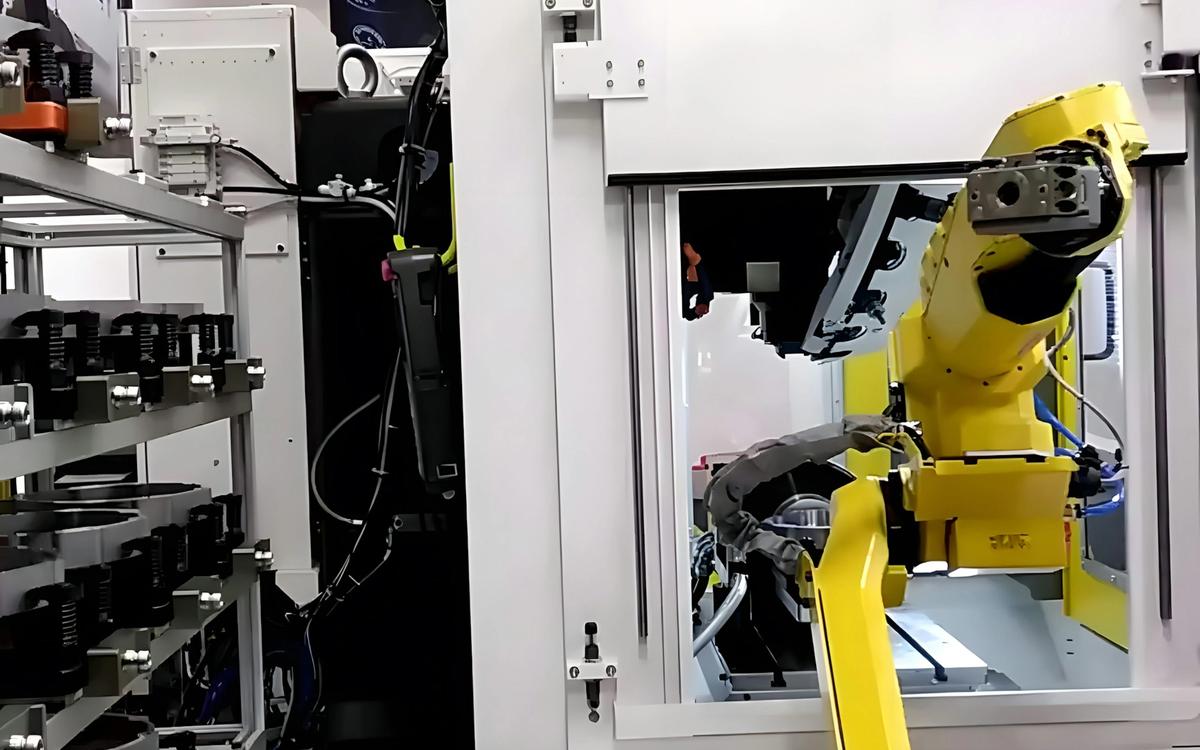
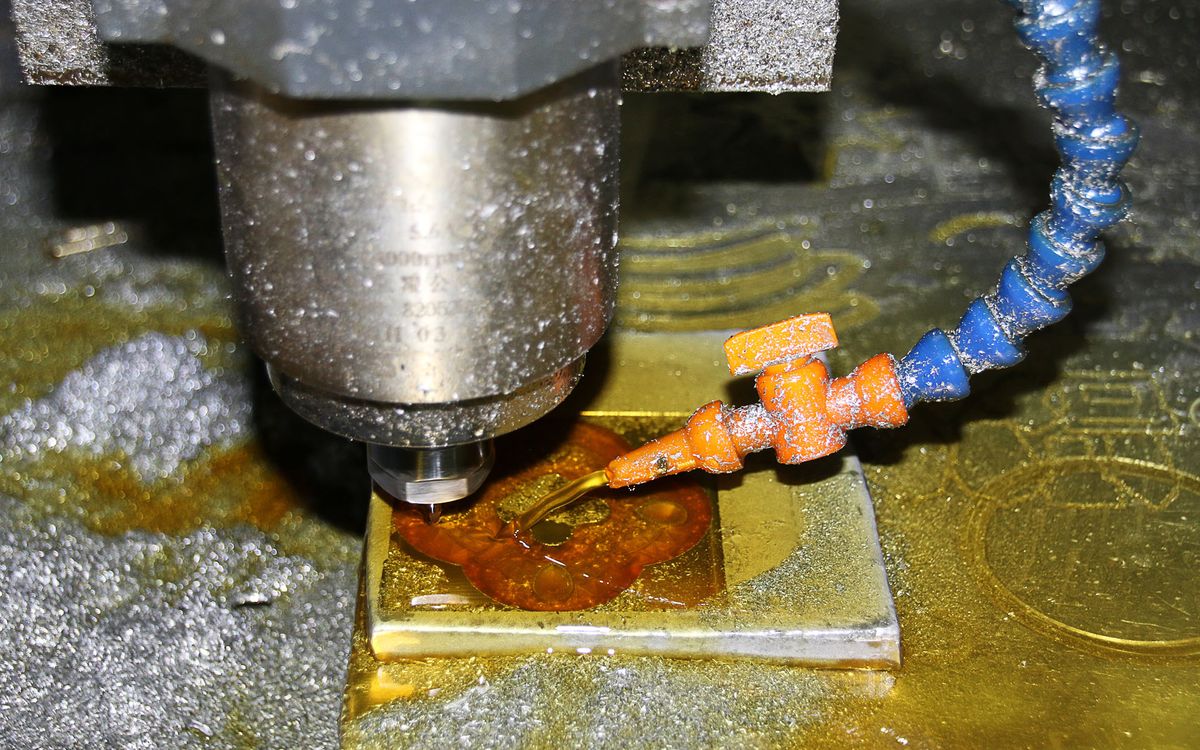
An industrial camera can be electrically robust and still make the wrong decision if coolant obscures the lens or a moving part blurs the image. IDS's updated GigE vision-camera range belongs in that wider discussion: the camera is only one element in an automated inspection or robot-guidance cell.
Gigabit Ethernet cameras move image data over an industrially familiar networking interface. This can simplify cable planning and communication with computing equipment, but adequate network bandwidth and predictable timing remain important when several cameras share an inspection or guidance system.
A CNC cell may use images to confirm that a part is present, identify orientation or check a visible condition before a robot grips it. Each task requires a suitable lens and illumination strategy. A camera with high resolution cannot reliably identify a feature that is hidden by chips or rendered invisible by glare.
Exposure timing matters when a camera observes a fast-moving robot or conveyor. A blurred frame may create the appearance of a misplaced part even when the component is correctly positioned. Integrators can address this through controlled illumination, trigger signals and exposure settings, but must test the exact equipment under real motion conditions. A nominally high frame rate is useful only when sufficient light and data bandwidth are available to produce the image required by the inspection algorithm.
Triggering and lighting decide what the sensor sees
A high frame rate is useless when the exposure produces no dependable information.
Robust housings and electrical arrangements are useful, yet they are only one part of the installation. Integrators must consider protective windows, air purge or cleaning, field of view, safe mounting and the ability to recalibrate after maintenance. A camera installed too close to coolant spray may fail even if it is nominally intended for industrial use. The camera enclosure can be another hidden source of failure. A protective window gradually covered by coolant mist or dust may cause false quality decisions long before the camera electronics fail. Maintenance plans should therefore include cleaning and inspection of the optical path, along with checks that the imaging setup has not moved. When an image result is used to permit a robot motion or machining cycle, the system should enter a safe defined state if a dependable image cannot be obtained.
When images control a manufacturing action, the software needs to define what happens after an uncertain result. A missed detection should not automatically trigger unsafe robot movement, and repeated false rejects can eliminate the expected productivity benefit. Camera and algorithm performance must be tested as one system.
A rugged enclosure needs a maintenance plan
A practical validation uses representative components over several shifts, including the worst expected lighting and surface conditions. The result should measure successful decisions, false detections, cycle time and maintenance interventions rather than only image quality in ideal circumstances.
For CNC environments, the camera qualification should include dirty windows, changing illumination and failed images—not just ideal photographs. That tests the complete acquisition-and-decision chain, where a missed part or false reject affects production directly.