The biggest number in DMG MORI Co., Ltd.'s third-quarter results is not its nine-month revenue. It is the machine-tool maker's order book: orders totaled ¥522.0 billion in January–September 2026, 36.7% above the comparable period a year earlier, while its machine backlog rose to ¥328.0 billion at September 30. The figures were released on October 30 through the company's investor-relations reporting.
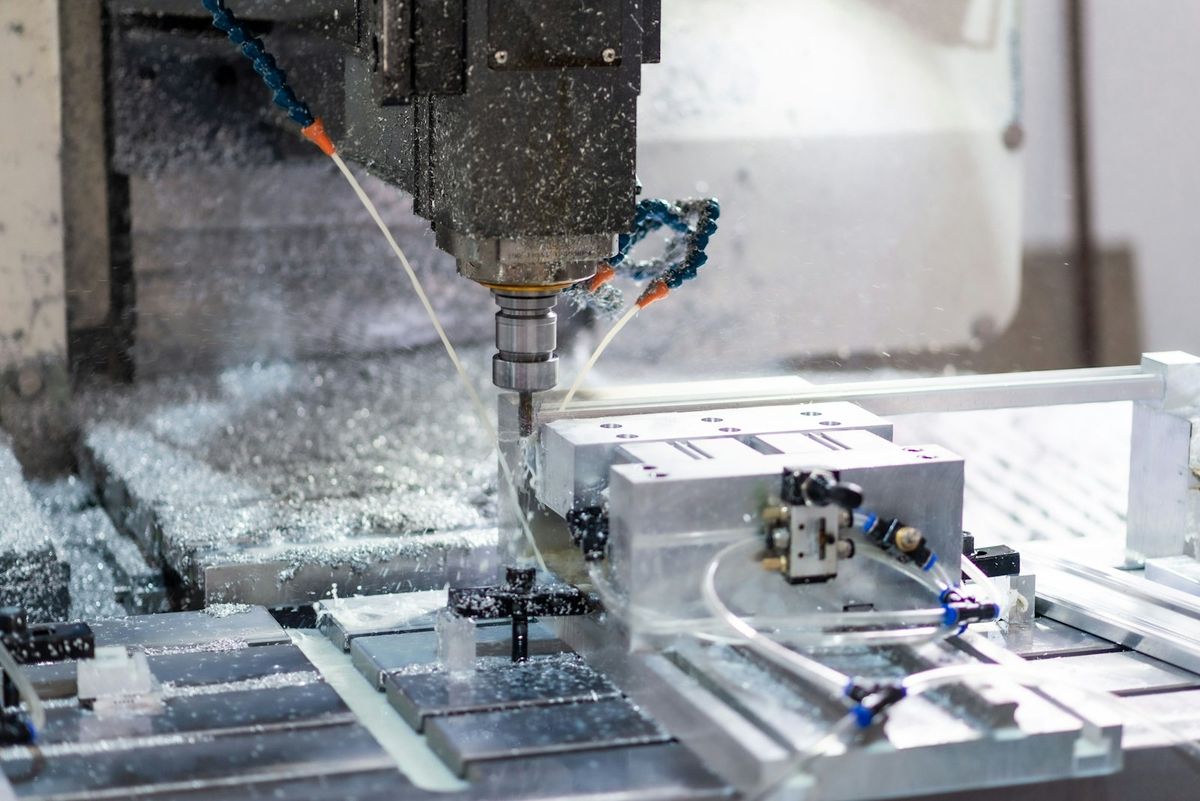
An order is a customer commitment rather than a delivered, accepted machine. The distinction is particularly important for large five-axis machining centers, multi-process machines and automated cells, where engineering, production, shipping, installation and final acceptance can span different reporting periods. DMG MORI's backlog is therefore a measure of future work as well as a test of how efficiently the manufacturer can convert bookings into sales.
The Japanese-listed DMG MORI Co., Ltd. should also be distinguished from the separately reporting German company DMG MORI AG. Both carry the same manufacturing brand, but their reporting perimeters and published financial figures are not interchangeable. The yen-denominated figures here refer to the Japanese group's consolidated disclosures, not the German subsidiary's euro-denominated results.
Three quarters of expanding orders
Quarterly order intake progressed from approximately ¥155.4 billion in January–March to ¥179.8 billion in April–June and ¥186.8 billion in July–September, according to the October results presentation. The step-up is more informative than an isolated annual growth percentage: it indicates that the order momentum continued through the third quarter rather than being confined to the spring.
The machine backlog increased from ¥240.0 billion at the end of December 2025 to ¥328.0 billion at the end of September 2026. This does not mean every order will ship within the current fiscal year. A higher backlog can protect future revenue visibility, but it can also reflect longer production or customer-acceptance lead times. The published totals do not independently establish machine delivery speed or installation capacity for any specific factory.
DMG MORI has linked demand to machining transformation, including integrated five-axis, turning and automation solutions, while also highlighting opportunities in aerospace, power, medical, defense and semiconductor-related manufacturing. Its prior half-year release showed the same broad direction, so the third-quarter result extends an existing trend rather than marking a wholly new strategic shift.
Revenue catches up, but at a different pace
For the nine months through September, the group recorded ¥422.706 billion of sales revenue, a rise of 23.2%, and ¥16.876 billion of operating profit, up 46.3%. The operating margin was approximately 4.0%, compared with about 3.4% a year earlier. These amounts were reported in its consolidated IFRS earnings filing, and are distinct from the order-intake and backlog totals.
The company also reported improved cash flow from operations, but net profit tells a less straightforward story: parent-attributable profit declined to ¥8.668 billion from ¥21.002 billion a year earlier. The prior comparison benefited from a one-off insurance-related gain. That accounting effect matters when contrasting bottom-line profit with underlying operating improvement; a falling net result should not be mistaken for a collapse in machine demand.
For calendar 2026, DMG MORI raised its order-intake expectation from ¥630 billion to more than ¥650 billion. It retained a revenue forecast of ¥580 billion and an operating-profit forecast of ¥30 billion. Those are company forecasts, subject to delivery timing, exchange rates, customer acceptance and conditions in the wider capital-equipment market; they are not additional orders already booked.
What the backlog means for machining customers
A shop choosing a machining center will be interested in the delivery and commissioning implications, not simply the financial size of the manufacturer. A sustained order surge can support investment in service and production capacity, but it may also demand careful scheduling of automation integration, tooling qualification and factory-acceptance testing. DMG MORI's consolidated report supplies no model-by-model lead-time list from which buyers could reliably estimate their own installations.
The increase in order value must likewise be distinguished from growth in unit shipments. A shift toward larger or more automated configurations changes average selling price, while currency movements can alter yen-denominated comparisons for overseas operations. Without a like-for-like unit and configuration breakdown, the 36.7% order increase cannot be interpreted as 36.7% more machines delivered.
DMG MORI's October 30 results place the Japanese group among the machine-tool suppliers reporting substantial order momentum in 2026. The unanswered operational question is how much of the ¥328 billion backlog becomes accepted equipment and service revenue during 2027, and on what lead times for customers. Its next results should provide a clearer test than the order headline alone.