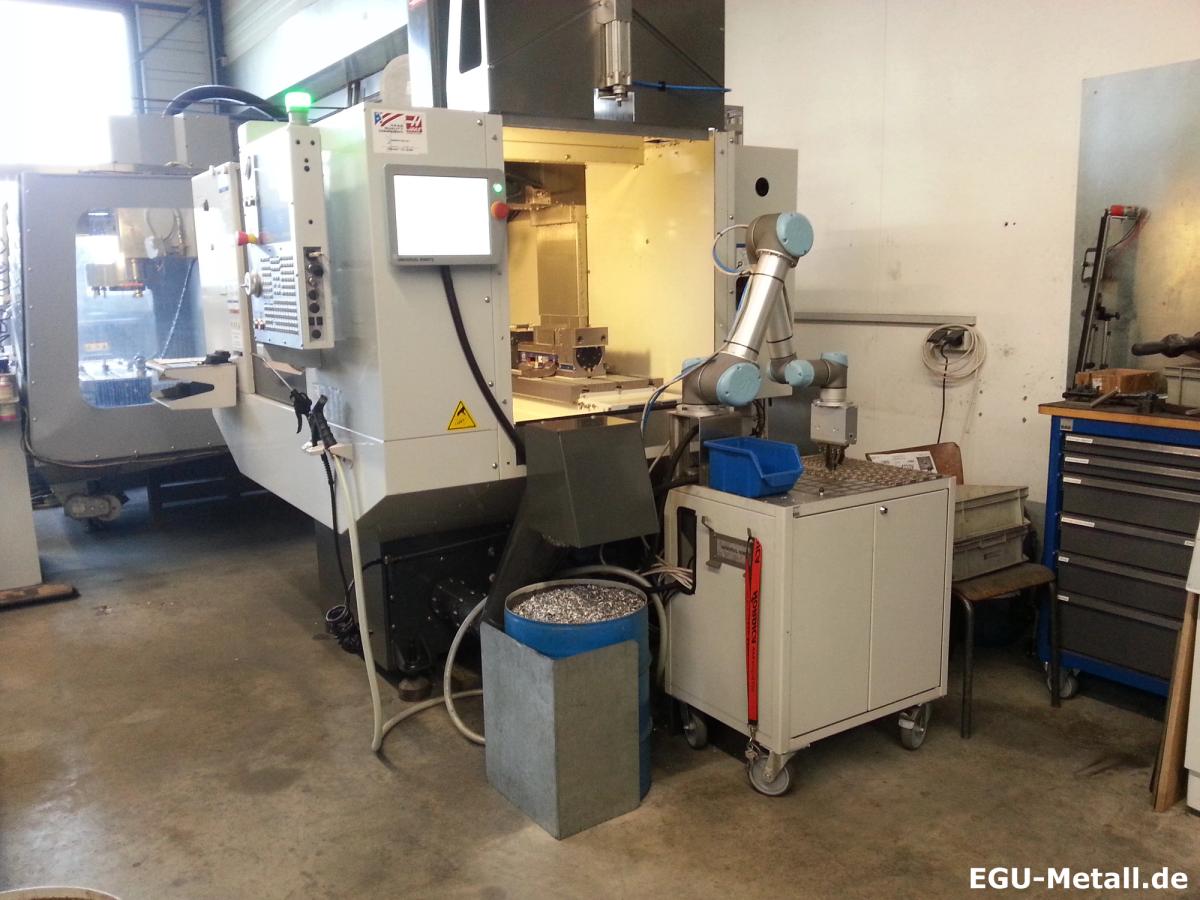
US buyers of machine tools and industrial robots have a new trade-policy risk to monitor, but not an immediate additional tariff from the latest action.
A presidential proclamation dated October 28, 2026 directs US officials to negotiate with trading partners over imports of robotics, industrial machinery and related components. It leaves the option of later tariffs or other restrictions open.
What the proclamation does—and does not do
Following a Commerce Department Section 232 investigation, the White House determined that reliance on imported machinery and robotics posed national-security concerns. It instructed the Commerce Secretary and US Trade Representative to pursue or continue negotiations, then provide a progress update within 180 days. The document also directs continued monitoring of machinery imports.
The proclamation itself does not set a new tariff rate or a quota for CNC machining centres, industrial robots or particular components.
However, it explicitly reserves the possibility of future duties, quotas, fees or investment incentives if negotiations do not address the administration's concerns. Trade reporting by Reuters likewise emphasized that no immediate additional tariffs were imposed in this action.
Why machine shops should pay attention
A CNC buyer often compares machines from several countries and orders months before delivery. Potential changes to import treatment could affect the landed cost of a machine, spare parts, robot tooling or an integrated automation cell. That is a planning scenario rather than an established price increase: the result will depend on later decisions and the specific product's tariff classification.
Shops should ask equipment vendors how a quotation handles a future duty change, whether the price is fixed at order or import, which entity is the importer of record and how delays or tariff adjustments are allocated. Existing tariff measures may still apply independently of this new proclamation. None of these questions requires assuming that an additional duty will definitely arrive.
What is still unknown
There is no final negotiated arrangement or new universal tariff schedule in the 28 October proclamation. Its initial 180-day progress deadline is a reporting checkpoint, not a guaranteed date for a tariff decision. Operators should monitor subsequent government notices and consult customs or trade specialists before making product-specific duty assumptions.
For CNC manufacturers outside the United States, the story also matters indirectly: export quotations to US customers may need clearer contract terms if import treatment changes, while local buyers should avoid extrapolating US-only policy to their own markets.
