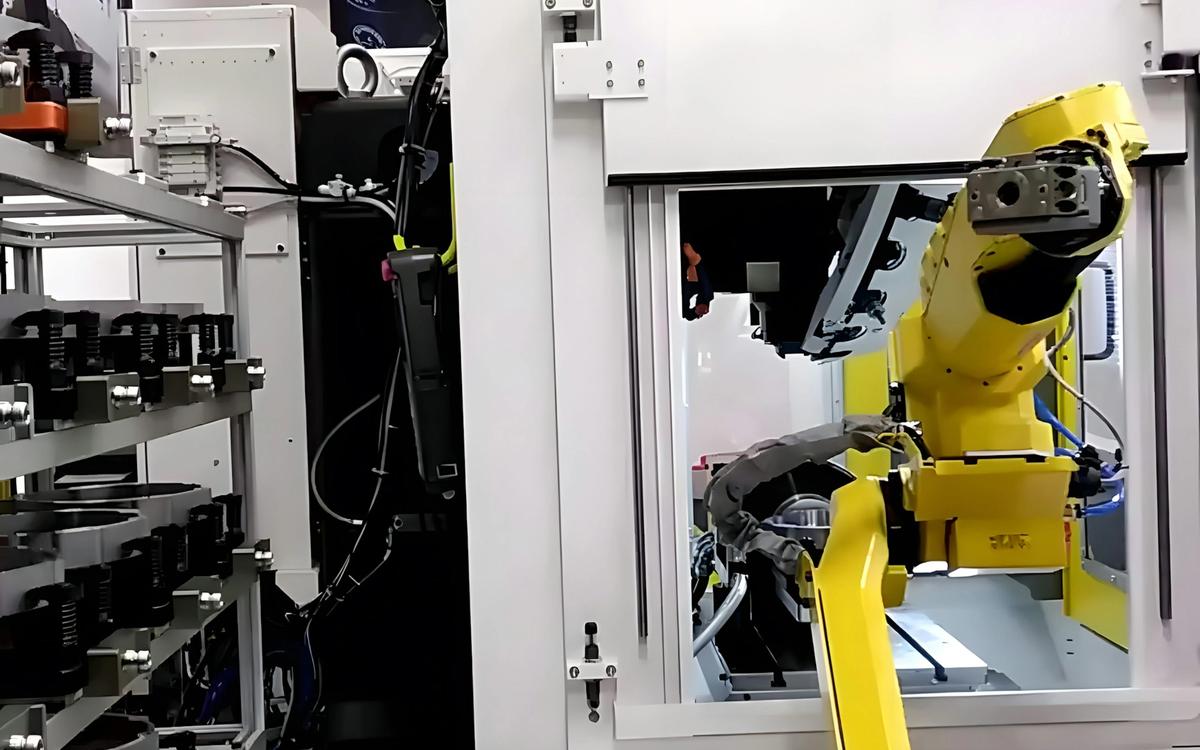
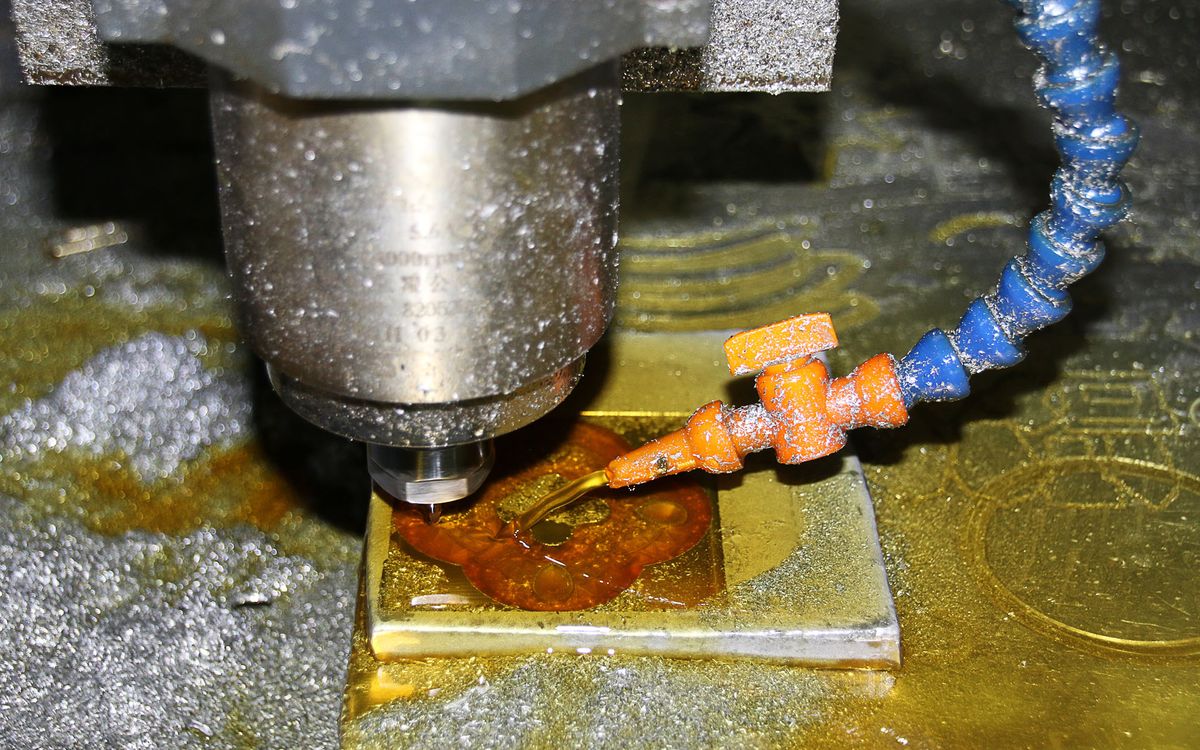
Part counting was one of Rimeco's recurring production problems. The aerospace machine shop had ERP, monitoring and other digital systems, yet reported quantities could disagree across operations. A Harmoni-supplied case study describes how the company brought job records and NC programs closer to individual work cells.
A case study published by platform supplier Harmoni in October 2026 describes Rimeco's transition to a more connected factory. The company, founded in 1992, now operates from a 46,000-square-foot facility with about 40 machines, according to the account. Its expansion had exposed weaknesses in processes that worked when the shop was much smaller.
The vendor account describes hand-written inspection sheets, paper work instructions and NC programs carried between machines on flash drives. Those manual exchanges were harder to manage as the shop expanded. Each added another point at which an operator could receive the wrong information or a production count could differ from the ERP record. Bringing these tasks to the work cell was therefore a change to daily manufacturing practice, not simply a new reporting dashboard.
Harmoni's system was introduced in stages. The initial rollout brought operator tasks to individual work cells, allowing employees to log into jobs and report activity at their machines. Additional modules helped with setup, maintenance and quality data. Programs could be delivered through the connected system rather than carried manually between machines.
From paperwork and flash drives to cell-level records
One of the most important lessons from the case is the relationship between NC program revision and shop-floor execution. A production cell can have excellent machining capability but still suffer if the operator selects an old program or loses track of which file was approved. Centralizing transfer creates an opportunity to control that handoff, but it also requires a policy for approving, identifying and archiving programs. A successful digital workflow must make the correct revision easier to find than an incorrect one.
This is not simply a story about buying new software. Reliable integration requires a common understanding of part identity, operation sequence, program revision and which record controls acceptance. If an operator reports a completed quantity without documenting scrap or rework, the connected system can still produce incorrect totals.
The supplier case study reports a large reduction in manual reporting effort and describes near-perfect part counting. It also refers to hundreds or thousands of hours saved in broader processes. These are observations from a company and vendor account, not an independently audited productivity study. Implementation cost, data cleanup and maintenance effort are not fully quantified.
What the vendor-reported outcome can support
Harmoni reports that Rimeco no longer spends the same daily hour reconciling machine-monitoring and ERP information in a spreadsheet. It also describes more reliable part counts and substantial time saved elsewhere in the workflow. Those outcomes are reported by the platform supplier and its customer; the account does not provide a fully audited net benefit after software implementation, integration and ongoing maintenance costs. For another shop, the useful baseline is the actual time lost to corrections and reporting before the system is introduced.
Rimeco's reported savings are encouraging, but the case study is a supplier account rather than an independently audited before-and-after trial. The transferable lesson is narrower and useful: production data must remain consistent from job release through scrap reporting before software can reliably improve decisions.